
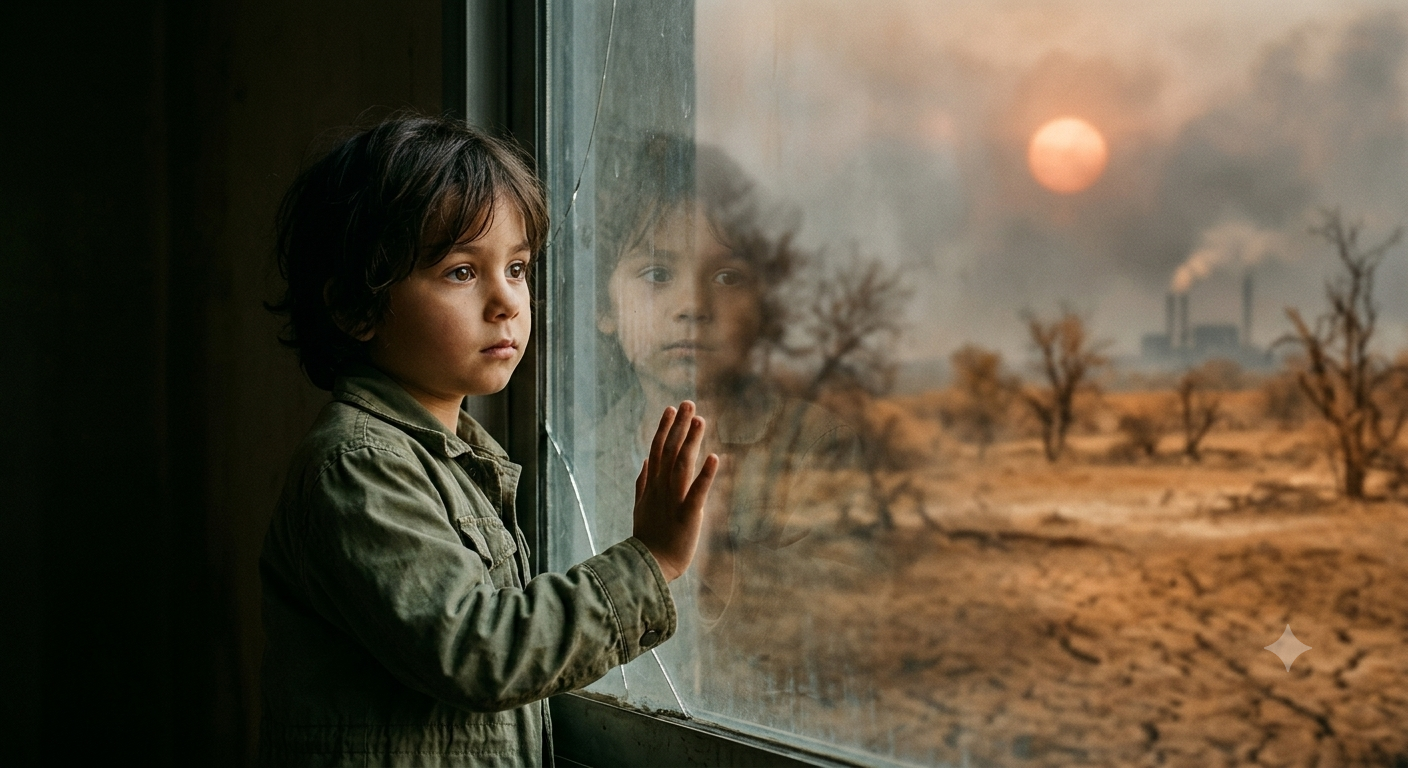
The alarms have been sounding for decades, but in 2025, the warnings of global warming are no longer distant forecasts – they are the lived reality for communities worldwide.
From blistering heatwaves to unpredictable deluges, the planet is not just changing; it is actively sounding the alarm, demanding our immediate attention and action.
The Unmistakable Signals of 2025
This year, scientists, meteorologists, and everyday citizens are observing unprecedented climatic shifts. The World Meteorological Organization (WMO) has starkly warned that global temperatures are expected to remain at or near record levels through 2029.
There is now an 86% chance that at least one year in this period will exceed the critical 1.5°C threshold above pre-industrial levels.
What does this mean on the ground?
- Europe’s Scorching Summer
We’ve already witnessed harrowing heatwaves across Europe during June and July, with temperatures soaring past 40°C in many areas. This isn’t just discomfort; it’s a profound stress on infrastructure, power grids, and human health. Urban heat islands in major cities are amplifying the danger, turning familiar spaces into significant hazards. - Shifting Monsoons and Water Crises
In regions like South Asia, including in Ahmedabad, precipitation patterns are becoming increasingly erratic. While forecasts suggest generally wetter conditions over the next five years, individual seasons are swinging violently, bringing severe deficits one moment and overwhelming floods the next. This extreme volatility directly impacts agriculture, leading to heightened food and water insecurity for millions. - Melting at the Poles, Ripples Across the Globe
The Arctic continues to warm at an alarming rate—more than three and a half times the global average. This rapid melt of ice sheets and glaciers contributes directly to rising sea levels, threatening low-lying coastal cities and island nations with increased flooding and saltwater intrusion. Even a few millimeters of rise can mean significant land loss over a decade. - The Ocean’s Cry for Help
Our oceans, while absorbing much of the excess heat and carbon dioxide, are showing signs of distress. We are seeing widespread coral bleaching events—the fourth global event was confirmed in April 2025, impacting over 83% of the world’s coral reef areas. This isn’t just about losing beautiful ecosystems; it’s about the collapse of vital marine food chains and coastal protection systems.
“We are teetering on critical thresholds, and every fraction of a degree of warming matters.“
Beyond the Numbers: The Human Cost
These climatic shifts translate into profound human impacts:
- Health Emergencies: Extreme heat exacerbates respiratory and cardiovascular issues. Heatstrokes are becoming more common, and changing climate patterns are creating new conditions for the spread of vector-borne diseases.
- Forced Displacement: Droughts, floods, and sea-level rise are displacing communities, leading to climate migration and increasing pressure on resources in other areas.
- Economic Instability: From damaged crops and infrastructure to increased healthcare costs and disrupted supply chains, global warming is a direct threat to economic stability and development, particularly in vulnerable nations.
The Urgency of Now
The warnings of 2025 are not just data points; they are a call to action. While the scale of the challenge can feel overwhelming, it’s crucial to remember that solutions exist. They are being implemented, but they need to be dramatically accelerated.
Systemic and individual action are both paramount:
- Aggressive Decarbonization: Phasing out fossil fuels and rapidly scaling up renewable energy sources is non-negotiable.
- Resilient Infrastructure: Investing in infrastructure that can withstand extreme weather events is essential for adaptation.
- Global Cooperation: Climate change knows no borders. International collaboration, shared technologies, and financial support for developing nations are crucial.
- Individual Action: The systemic change is vital, but individual choices in energy consumption, diet and advocacy contribute to the collective effort.
The warning of global warming in 2025 or today is loud and clear. It’s a moment to truly comprehend the severity of our situation and to act with the urgency and ambition that this planetary crisis demands.
The future of our planet and our society depends on it.
- The future of our planet—and our society—depends on it.